
10 Sustainable Garden Design Tips for Homes in the Blue Mountains
In the Blue Mountains, where nature and community intertwine, your garden is more than a visual feature; it’s part of a living system. Homeowners today are rethinking how their outdoor spaces work. The focus has shifted from decorative gardens to landscapes that function responsibly.
Through residential landscaping and sustainable garden design, you can create a yard that looks refined, supports biodiversity, and manages resources wisely. Whether your style is contemporary or formal, sustainability brings balance and integrity to every choice you make outdoors.
This guide shares ten actionable tips to help you plan and maintain a landscape that fits beautifully into the Blue Mountains environment and continues to flourish for years to come.
Understanding Sustainable Garden Design
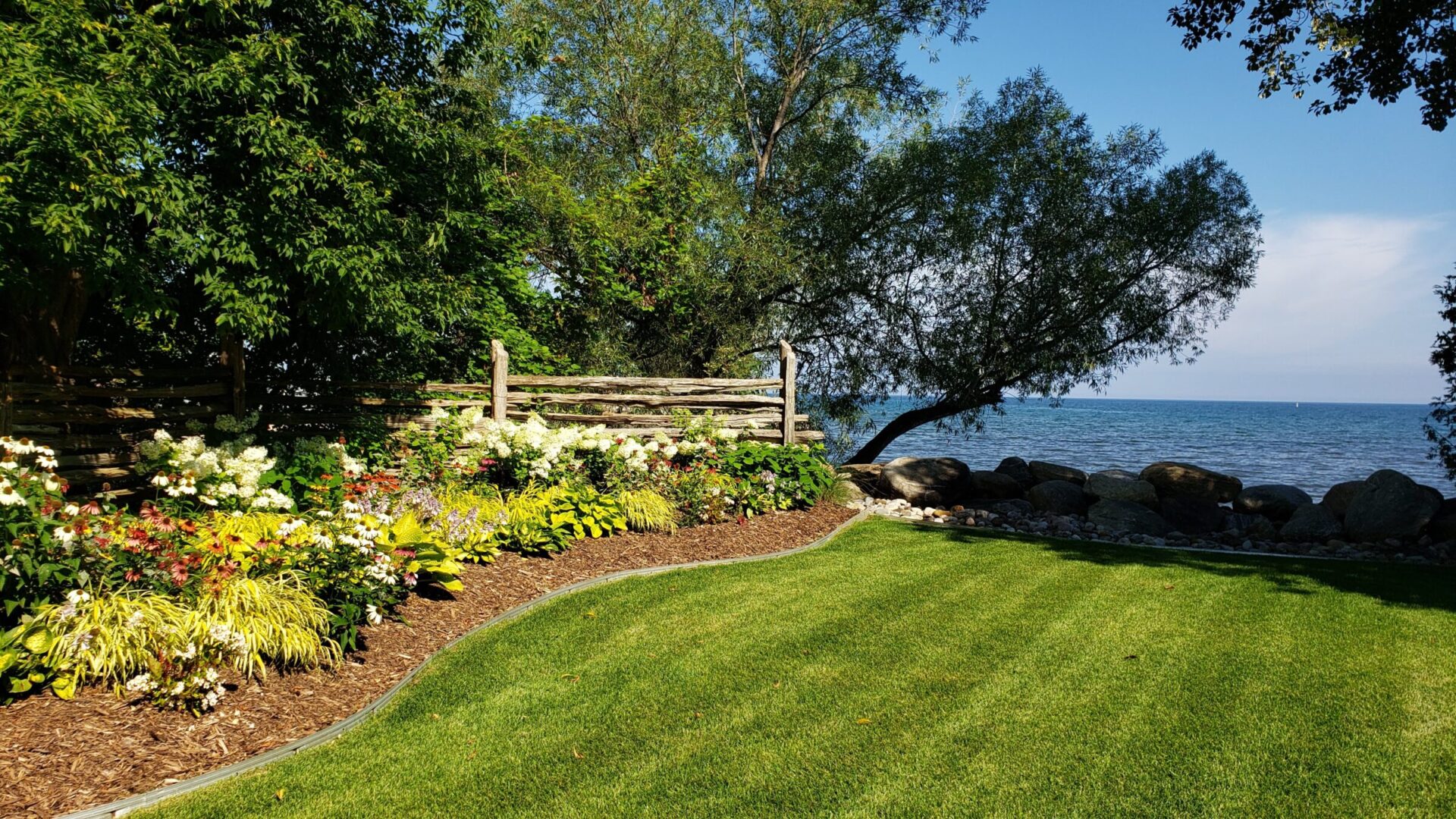
Sustainable garden design is a philosophy that redefines our relationship with nature. It views gardens as dynamic ecosystems, where we partner with the environment through respect, observation, and ecological balance. Every choice, from plant selection to soil health and material sourcing, influences the garden’s interaction with broader natural systems.
The goal extends beyond aesthetics to cultivating a self-supporting landscape, thriving with minimal external intervention. This reduces reliance on excessive watering, synthetic fertilizers, and chemical pesticides. This harmony between natural processes and thoughtful design leads to tangible benefits: reducing waste, conserving resources, and enriching land and biodiversity for future generations.
Many homeowners fall into a cycle of imbalance, resulting in gardens dependent on constant watering, synthetic fertilizers, and intensive upkeep. This unsustainable approach often leads to struggling plants, weakened soil, and wasted resources. This not only harms the environment but diminishes the joy of gardening.
Adopting a sustainable approach fundamentally alters this detrimental cycle, shifting to a collaborative partnership with the land. This transforms soil health, improves water retention, and creates a haven for local wildlife, contributing to the wider ecosystem.
The result is a thriving outdoor space that gives back to the environment, local biodiversity, and your well-being. It becomes a place of beauty, ecological resilience, and enduring joy, embodying a living, breathing, and regenerative landscape.
Use Native Plants That Thrive Naturally
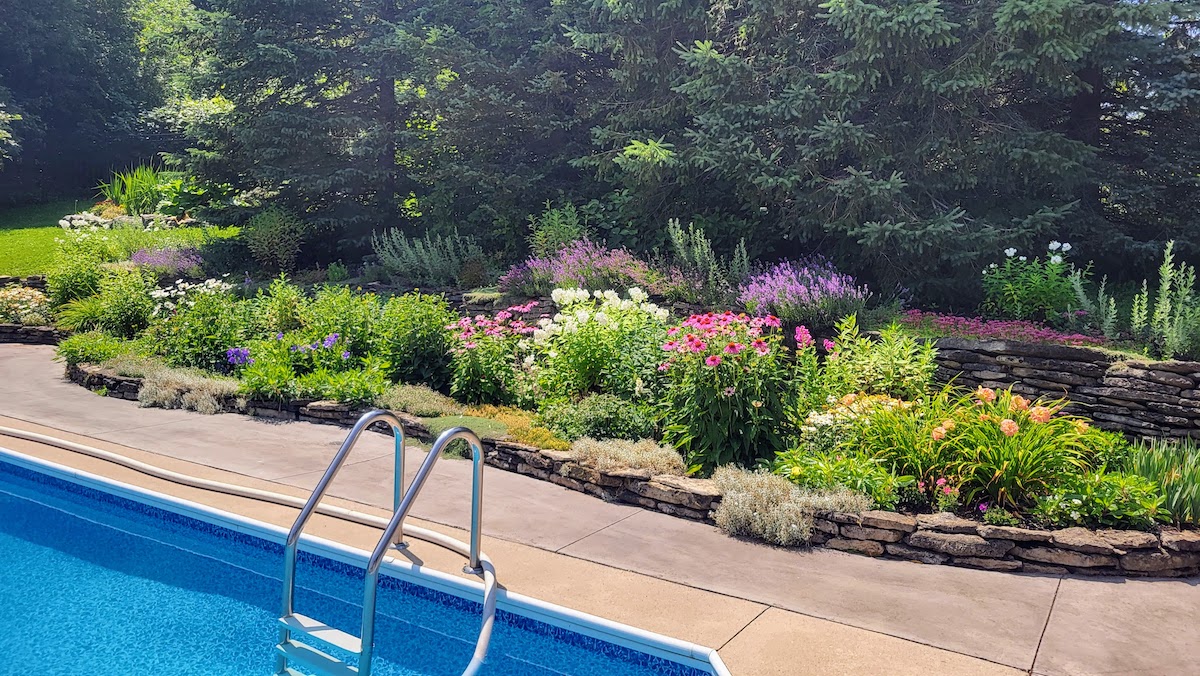
One of the most effective ways to embrace sustainable garden design is to fill your garden with native plants. Native species have evolved to survive in your region’s unique climate and soil. They’re resilient, low-maintenance, and crucial for supporting pollinators.
In the Blue Mountains, native plants such as wild columbine, echinacea, and red maple flourish with little human interference. These plants know the rhythm of local weather and adapt accordingly. They naturally resist common pests, require less watering, and help restore soil health. By planting them, you create a resilient ecosystem that attracts pollinators, supports wildlife, and maintains year-round interest in your garden while reducing maintenance needs.
When you choose native species, you spend less time watering or dealing with pests. Your garden becomes part of a natural ecosystem that benefits both you and the environment. And with the right mix of texture, height, and colour, native plants create landscapes that feel both natural and elegant, they are ideal for refined residential landscaping projects that value substance and style.
Create Soil Health With Compost
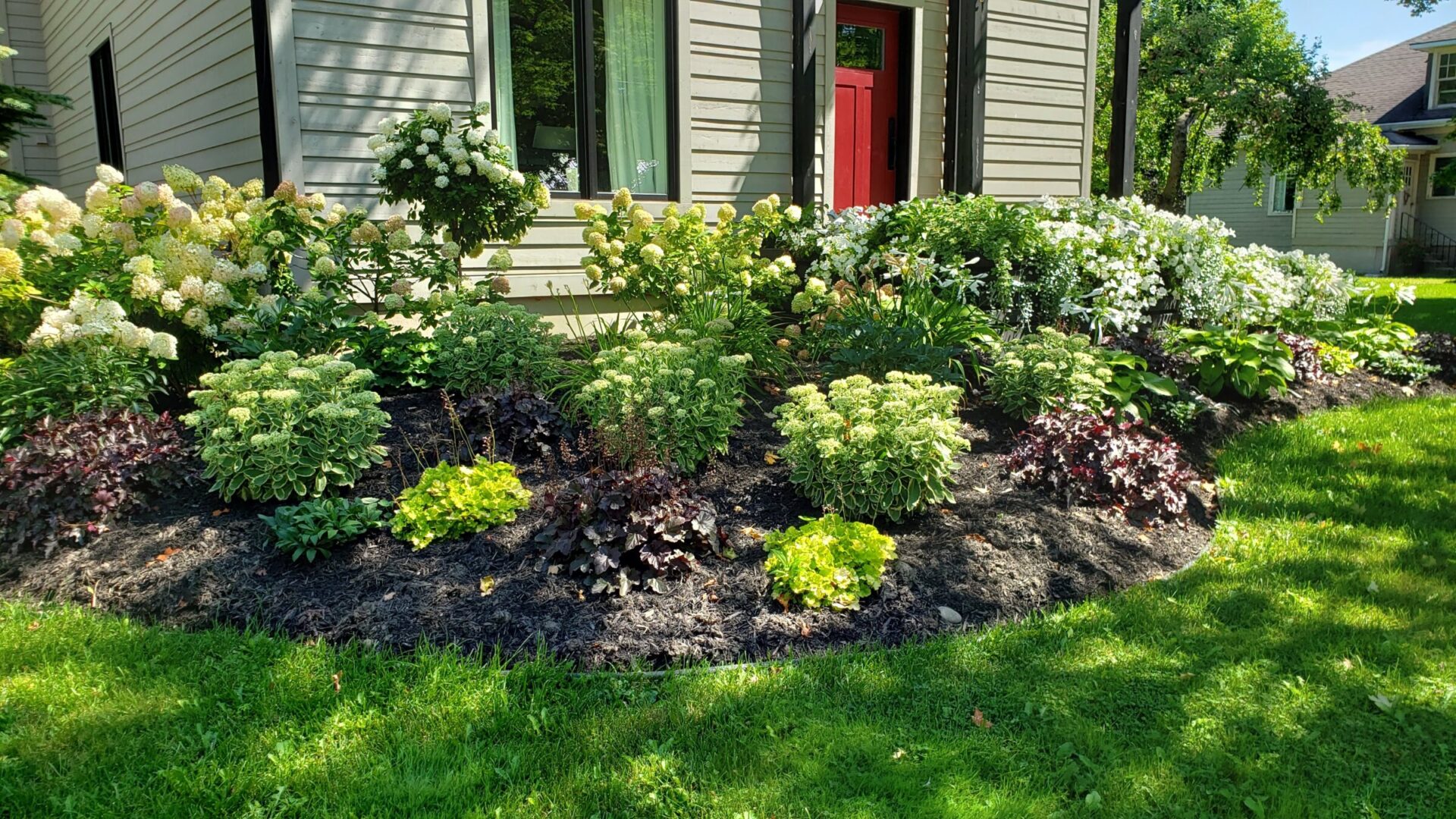
Soil is the living foundation of every sustainable garden design. Without healthy soil, even the best plants can fail to thrive. Composting restores that foundation by returning nutrients to the earth instead of removing them.
Garden Holistics takes this principle seriously. Rather than hauling away organic waste, we turn it into rich compost that feeds the soil. You can do the same. Start a compost bin with fallen leaves, grass clippings, and food scraps. Over time, these materials decompose into nutrient-rich humus that strengthens your garden naturally.
Healthy soil improves drainage, increases moisture retention, and reduces the need for synthetic fertilisers. Composting isn’t complicated; it’s just a matter of letting nature do what it does best.
Choose Water-Wise Planting Techniques
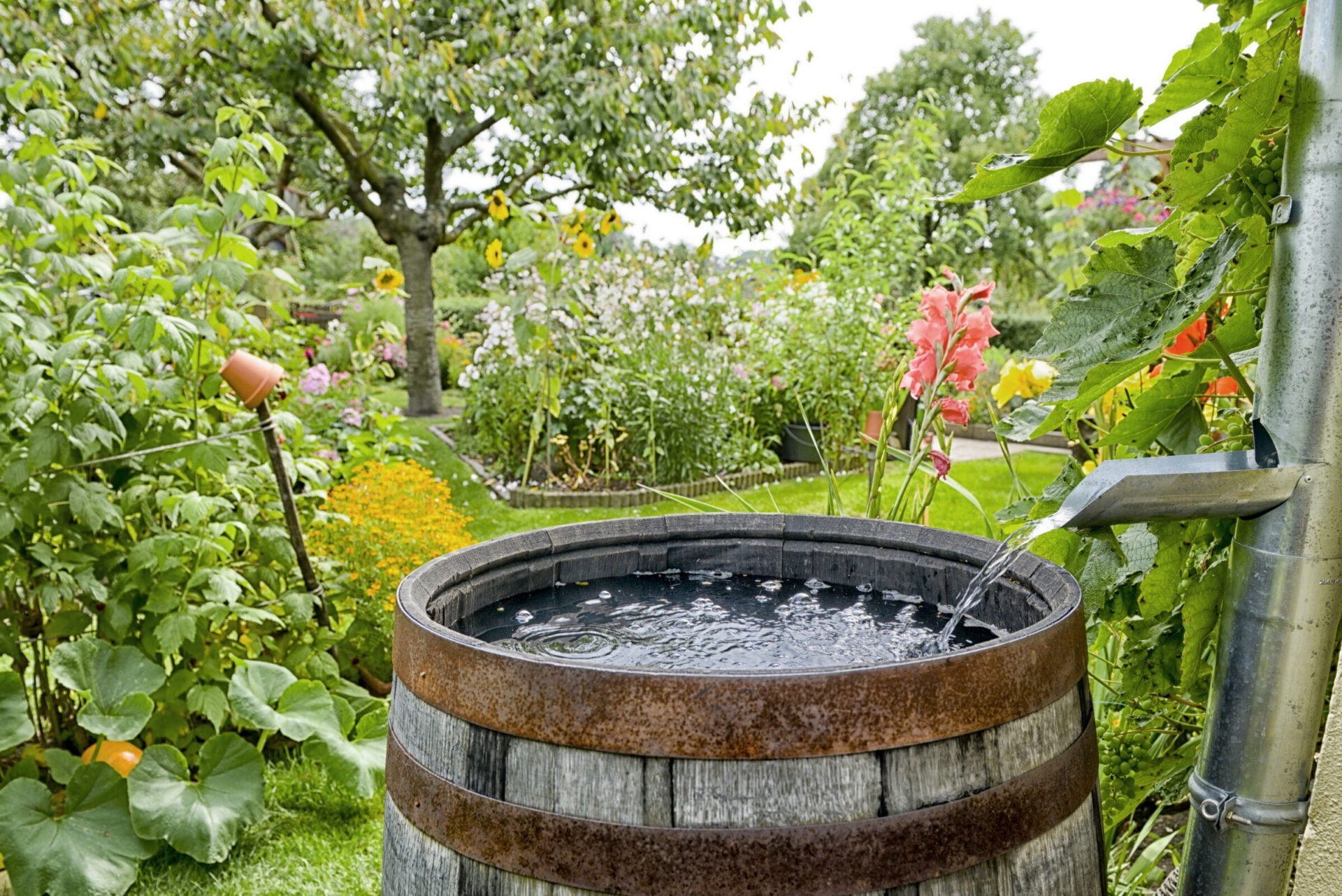
Water is precious, especially in regions where weather patterns can shift quickly. A core principle of sustainable garden design is managing water efficiently.
Start by grouping plants with similar water needs. This method, called hydrozoning, ensures that you water wisely instead of uniformly. Use river rock channels to direct rainwater toward deep-rooted plants and away from paved areas.
You can also capture rainfall using barrels or cisterns for later use. Adding a thick layer of natural bark mulch helps retain soil moisture and regulates temperature. These small choices create big results; a garden that stays hydrated without waste.
Reuse & Recycle Garden Materials
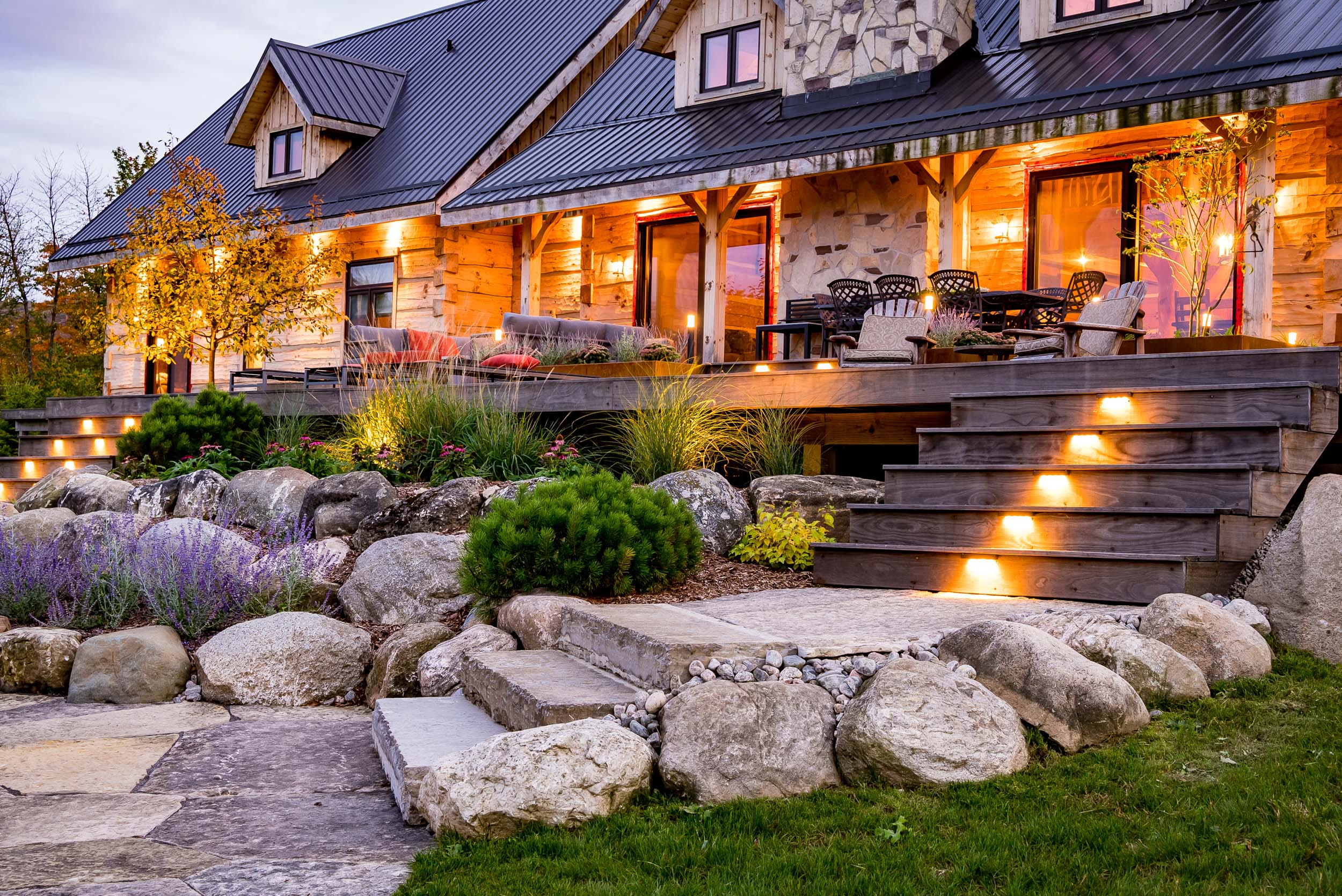
Another cornerstone of sustainable garden design is resource conservation. Before you purchase new materials, take inventory of what you already have.
Old pavers, stone, or brick can be reused to form new garden paths or borders. Salvaged wood can become garden benches or raised bed frames. These choices reduce landfill waste and give your landscape a sense of character.
When you do need new materials, look for locally sourced options. Reducing transportation distance lowers the carbon footprint of your project. Reusing materials aligns with the Garden Holistics’ philosophy: care for the land, respect what it offers, and use it wisely.
Design Grading That Supports Groundwater Return
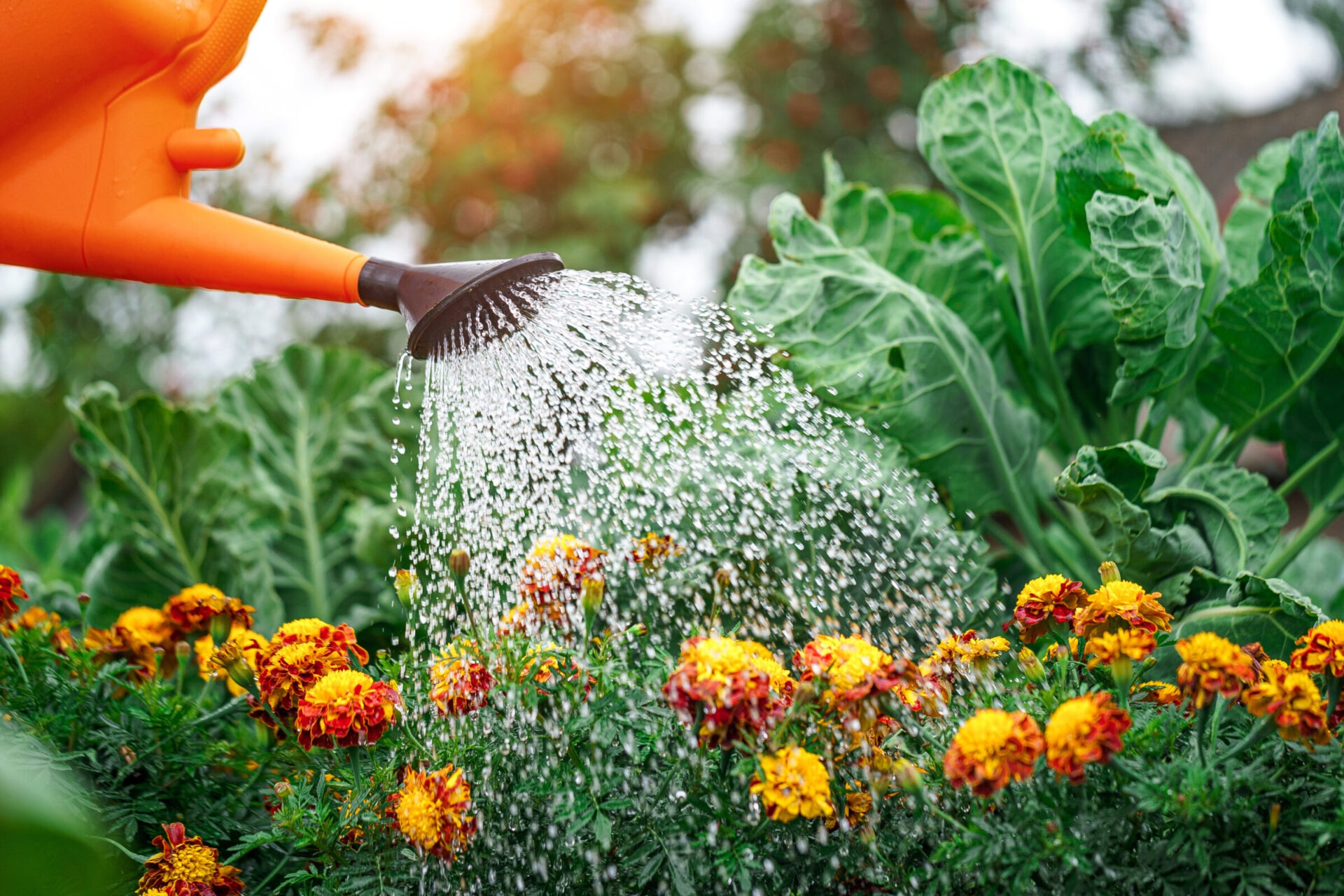
Water management goes beyond plant selection; it includes how you shape the land itself. Proper grading is essential in any sustainable garden design, especially in the Blue Mountains where natural runoff can affect soil stability.
Rather than directing rainwater toward sewers or driveways, plan your grading so that water flows gently back into the ground. Create shallow swales lined with river rock or native grasses to slow down runoff.
This not only prevents erosion but also replenishes the groundwater table. It’s a small design decision with a long-term environmental benefit; supporting soil life, tree roots, and natural water cycles.
Reduce Lawn Space For More Diversity
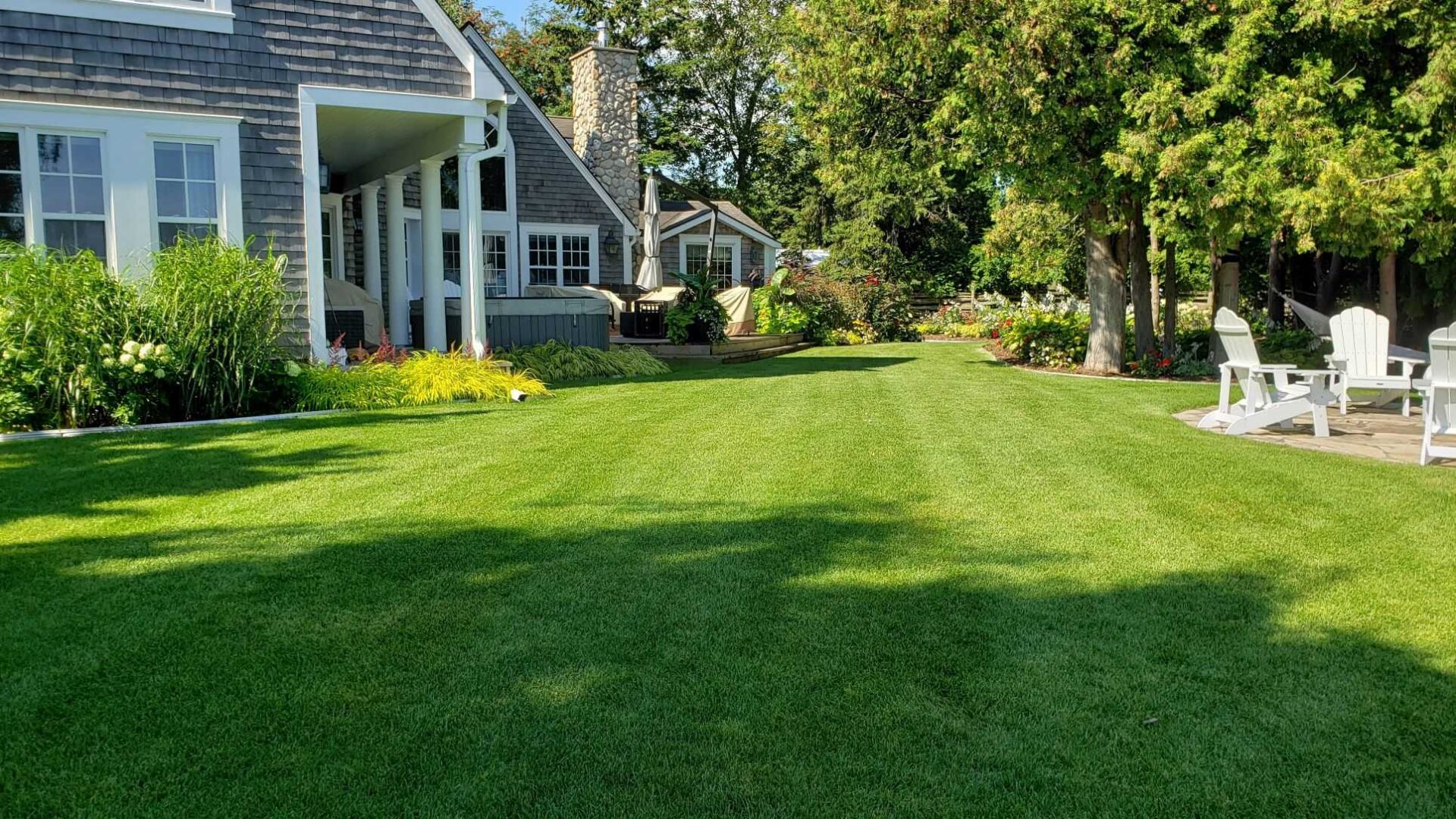
Traditional lawns may look tidy, but they often require heavy watering, mowing, and chemical treatment. Reducing their size is one of the simplest ways to apply sustainable garden design principles to your property.
You can replace parts of your lawn with native perennials, flowering shrubs, or a small meadow garden. These areas create a living mosaic that changes with the seasons and attracts pollinators.
Less lawn means less mowing, less fuel, and less time spent maintaining something that offers little ecological value. The shift toward more diverse planting is not only better for the planet; it’s more visually engaging, too.
Build With Sustainable Hardscape Materials
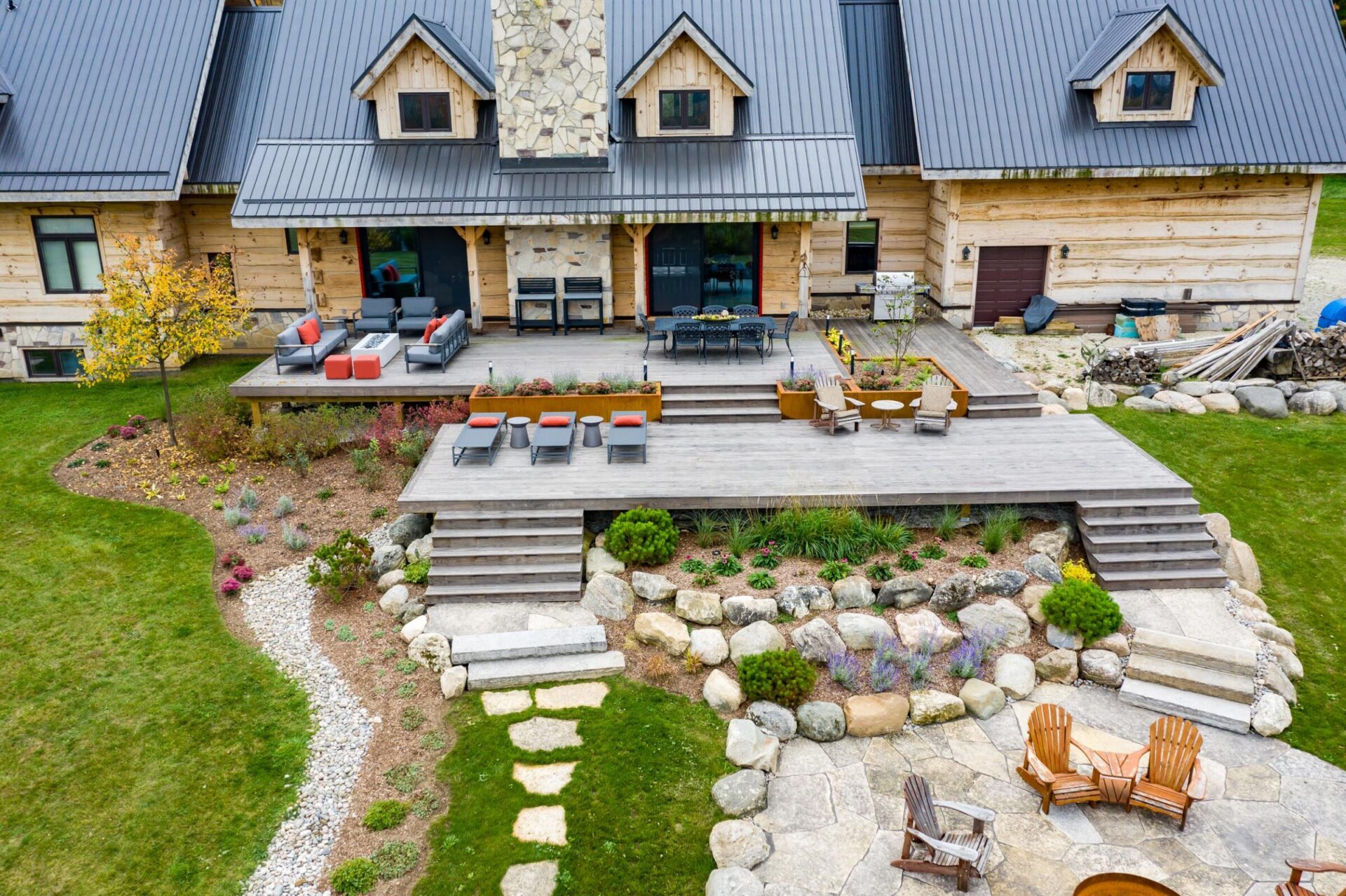
Hardscapes like patios, walkways, and retaining walls form the backbone of sustainable garden design in both residential and formal settings. They provide structure while also influencing water flow and soil stability.
When choosing materials, durability and environmental impact matter most. Permeable pavers, reclaimed stone, or recycled concrete reduce runoff and allow rainwater to soak through the surface.
Locally quarried stone offers beauty with a smaller carbon footprint, while reclaimed materials carry a sense of history. Even in modern garden layouts, these sustainable choices fit seamlessly into polished designs.
Every hardscape element should complement the garden’s natural systems, not compete with them. That balance is what turns an outdoor space into a functional ecosystem.
Manage Pests The Natural Way
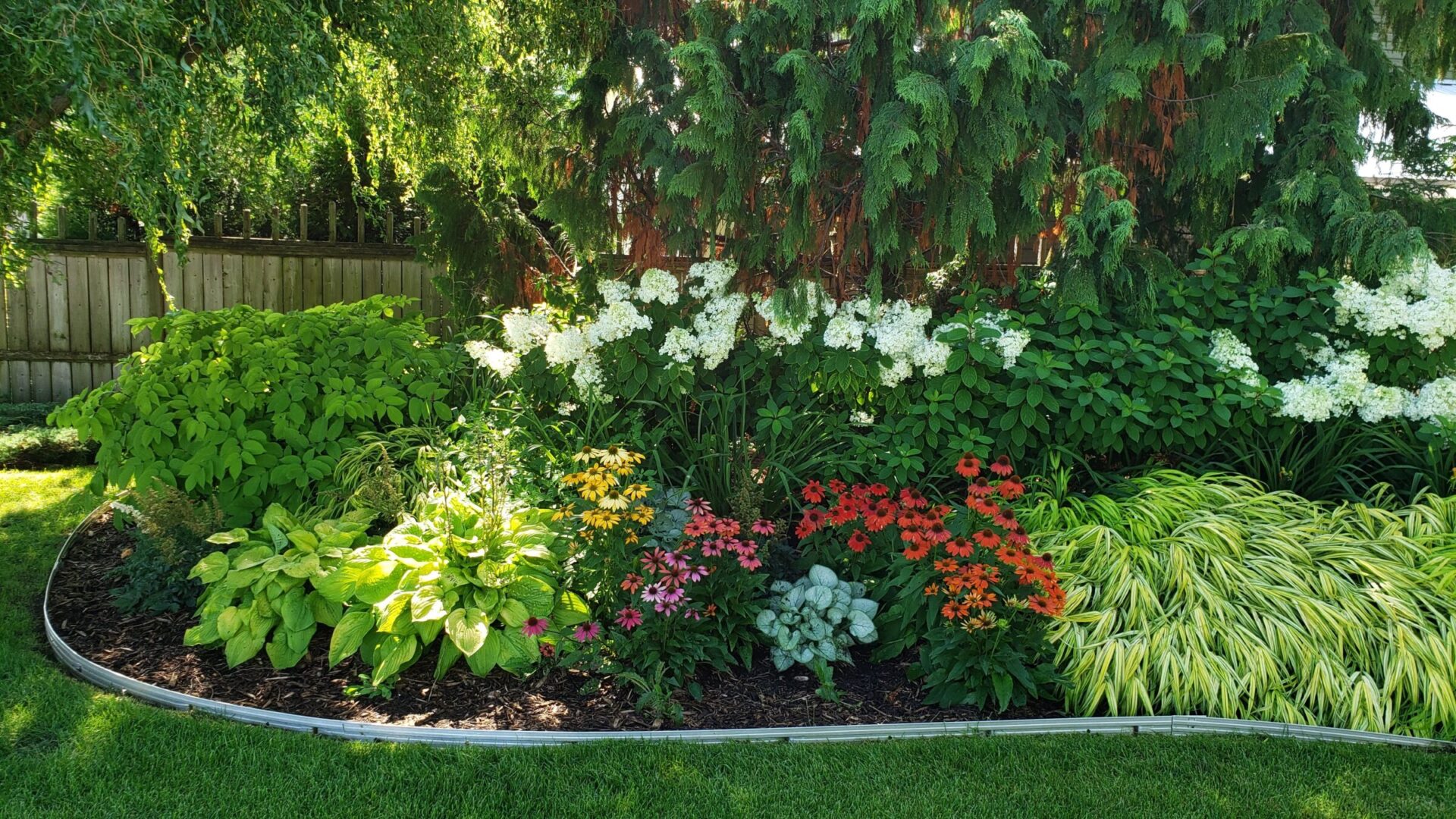
Healthy gardens don’t need chemical sprays. A sustainable garden design favours balance where plants, soil, and insects coexist naturally.
Instead of relying on harsh pesticides, focus on prevention and gentle intervention. For instance, if you notice damage from pests like tent caterpillars or sunflower moths, prune and bag the affected plants to remove the problem before it spreads. Encourage beneficial species such as ladybugs and lacewings, which help control aphids and mites.
Interplanting herbs like basil or mint near vegetables can also deter pests while adding fragrance. The goal isn’t to eliminate all insects but to maintain balance. Over time, your garden becomes more resilient, requiring fewer interventions and creating a safer environment for pets and pollinators alike.
Sustainable Garden Care Built on Experience & Integrity
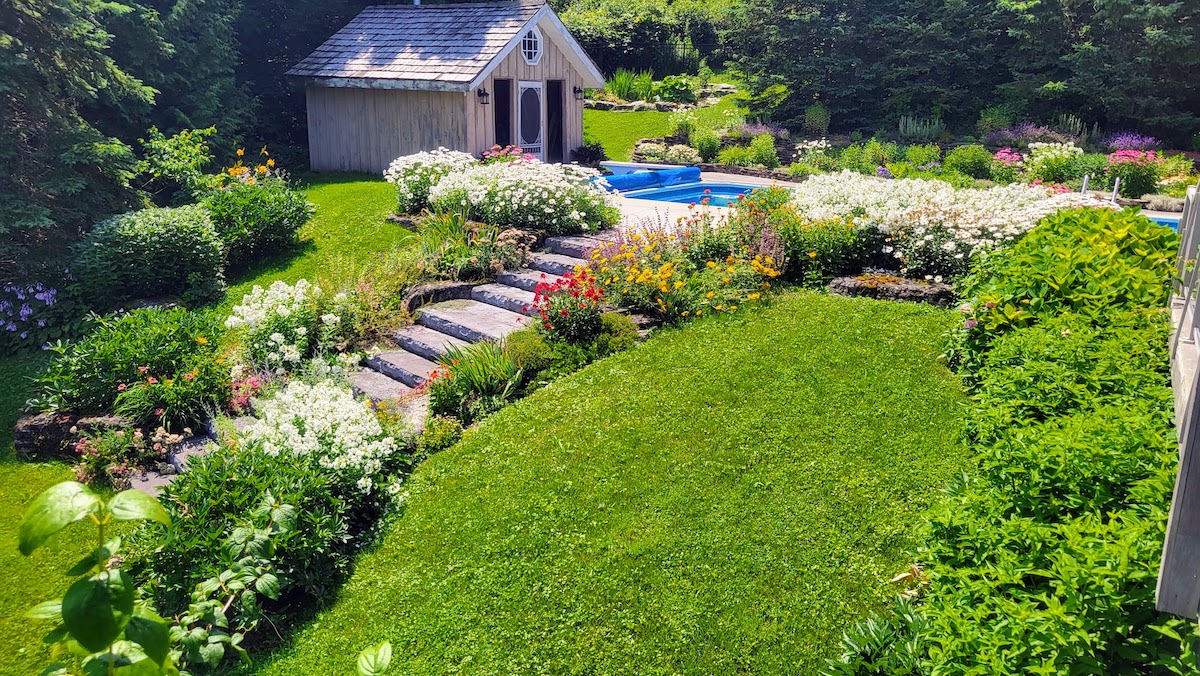
Maintaining your garden responsibly is the essence of sustainable garden design. Using manual or electric tools instead of gas-powered machines reduces noise, emissions, and harm to the environment. This approach encourages you to stay connected with your plants, noticing how they respond to soil, light, and weather. Garden Holistics brings experience, integrity, and fairness to every landscape, ensuring your outdoor space thrives naturally and reflects lasting respect for the land.
Ready to take the next step? Request a consultation and discover how natural design can work beautifully for your home.
Summary
Sustainable garden design for your Blue Mountains home creates a space that’s functional, resilient, and environmentally responsible. By using native plants, improving soil with compost, managing water wisely, and choosing natural maintenance methods, you build a garden that thrives without constant intervention.
This approach brings together practicality and beauty, allowing your Residential Landscaping to align with the rhythm of the land. It encourages a deeper connection between you and your outdoor space where every plant, stone, and pathway has purpose. Sustainable gardens require less upkeep, adapt better to seasonal changes, and offer long-term value. They invite birds, pollinators, and life back into your yard, creating harmony between nature and home. Sustainable gardens aren’t just better for nature, they’re better for you, your time, and your peace of mind.